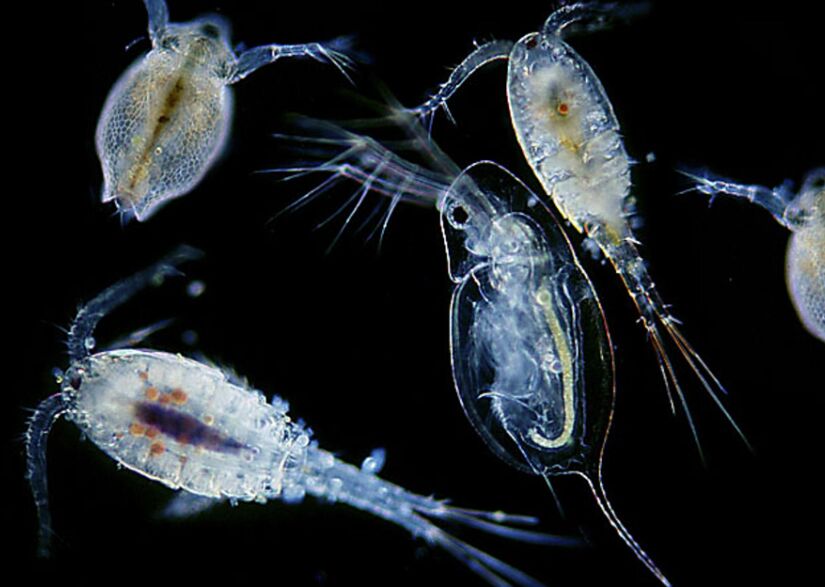
A new study published in Environmental DNA presents a comprehensive methodological framework for developing reliable and quantitative metabarcoding approaches applied to freshwater zooplankton communities. The work brings together several teams from the AnaEE France network, including CARRTEL/OLA (INRAE – Université Savoie Mont Blanc), U3E, DECOD, SETE, and the CEREEP–Ecotron IDF.
The article introduces:
- new metabarcoding primers specifically designed for Cladocerans, Copepods and Rotifers;
- a systematic evaluation of sampling, storage and DNA extraction methods, highlighting the importance of cold storage and sufficient biomass to minimise diversity loss;
- a detailed quantification of primer-related amplification biases, identified as the main factor affecting quantitative interpretation.
These results provide a solid foundation for standardising molecular monitoring of lake ecosystems and improving the integration of zooplankton into ecological quality assessment tools.
To read the full article
In the same category
New study : Two decades of organic amendments increase subsoil carbon at the QualiAgro long-term experiment
A new study published in Geoderma highlights the contribution of the QualiAgro long-term field experiment, part of the SOERE-PRO...

“Oxygen fractionation associated with biological processes : application to reconstruction of past biosphere productivity.” Clémence Paul PhD thesis (LSCE / Montpellier Ecotron)
Clémence Paul defended her PhD thesis on January 18, 2024 at LSCE (Université Paris Saclay), entitled "Fractionation of oxygen...